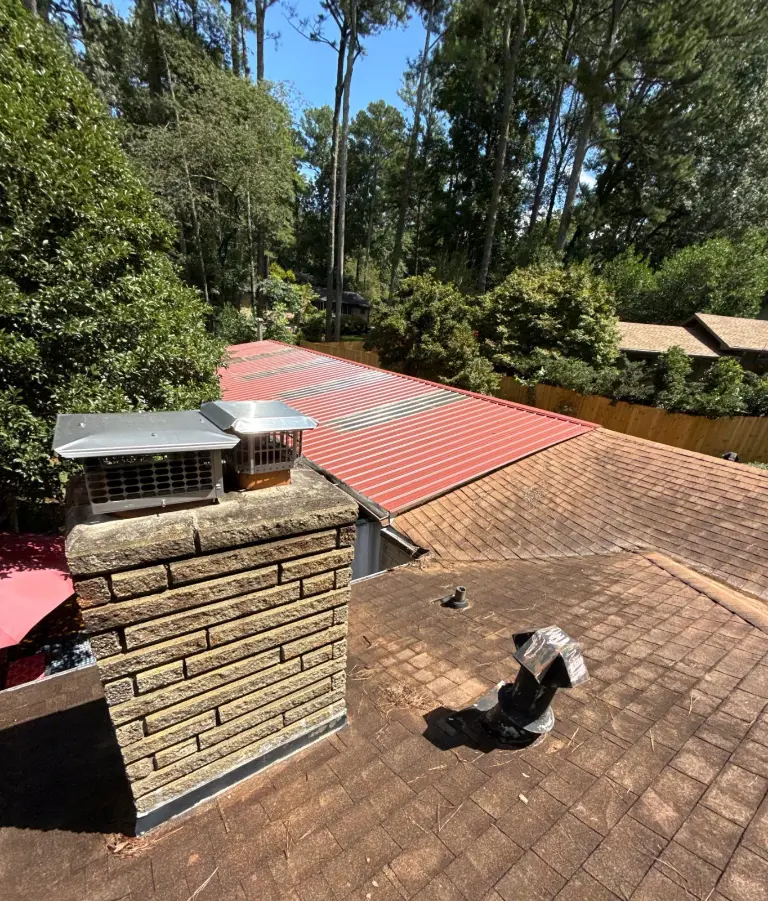
When your roof has a problem, the first question is usually whether a repair will do or whether it is time for a new roof. The honest answer depends on a few key factors. Here is how to think it through.
By J. Eller · Updated November 5, 2026 · 4 min read
Repair when the damage is limited to one area or one part, and the rest of the roof is in good shape.
Replace when damage is spread across the roof, leaks keep showing up in different places, the decking is soft, or the roof is near the end of its expected life.
Learn more about roof leak repair.
Learn more about roof replacement.
Photos from our own inspections.
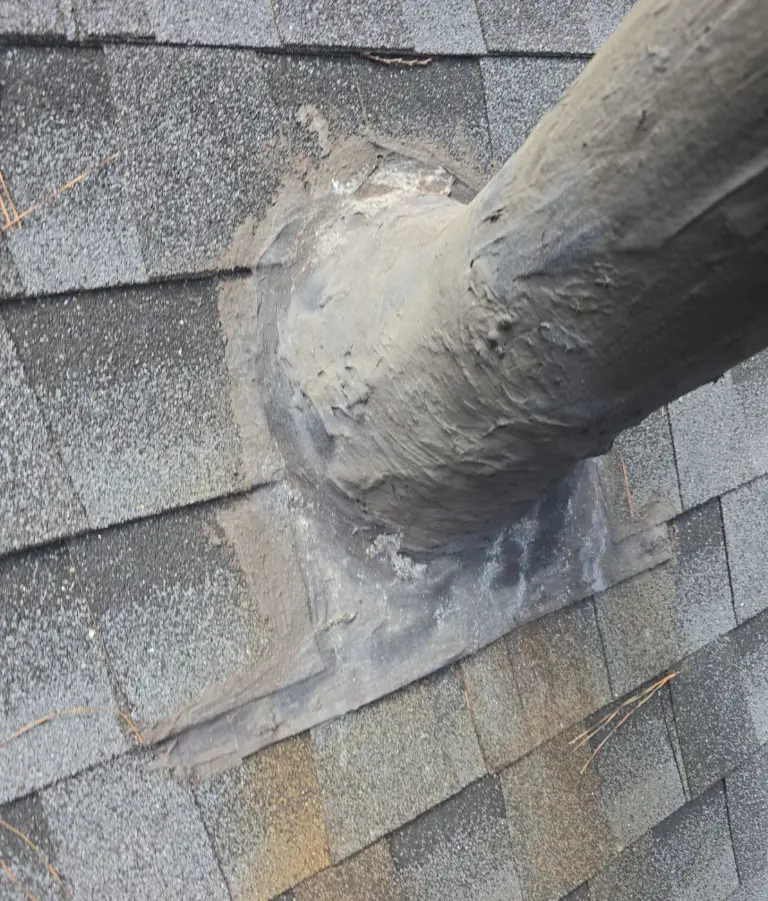
A cracked or patched pipe boot like this one is a classic repair. Replacing the part usually fixes the leak.
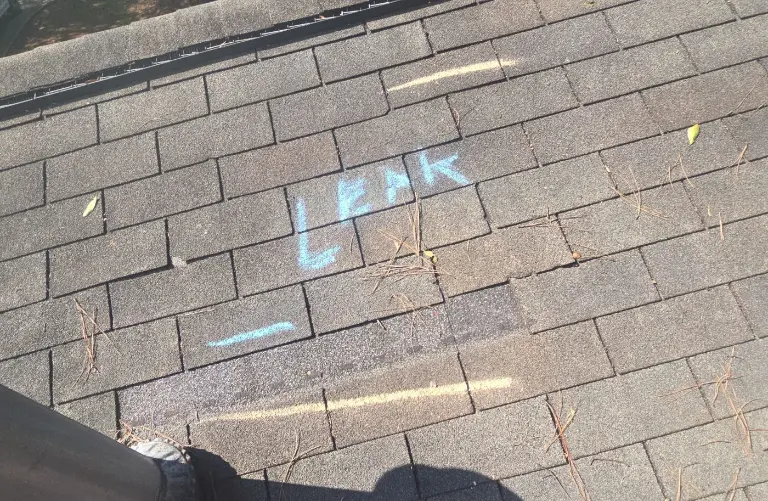
One leak is often a repair. Leaks that keep showing up in different places point to a roof that is wearing out.
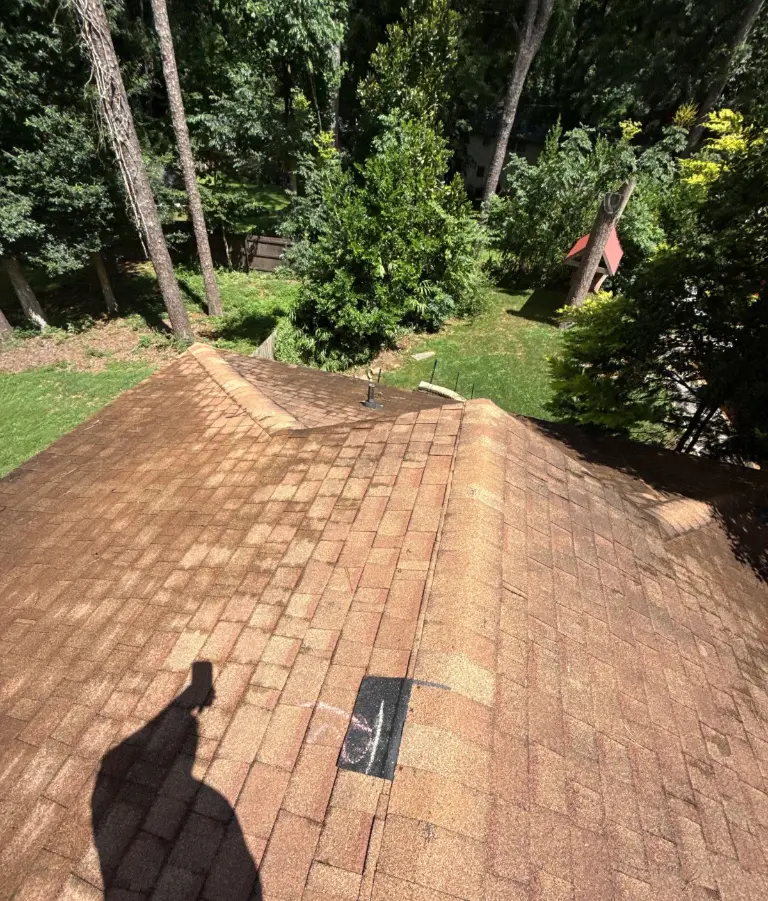
Curling, cracking and bare spots where the granules are gone are signs the shingles are near the end of their life.
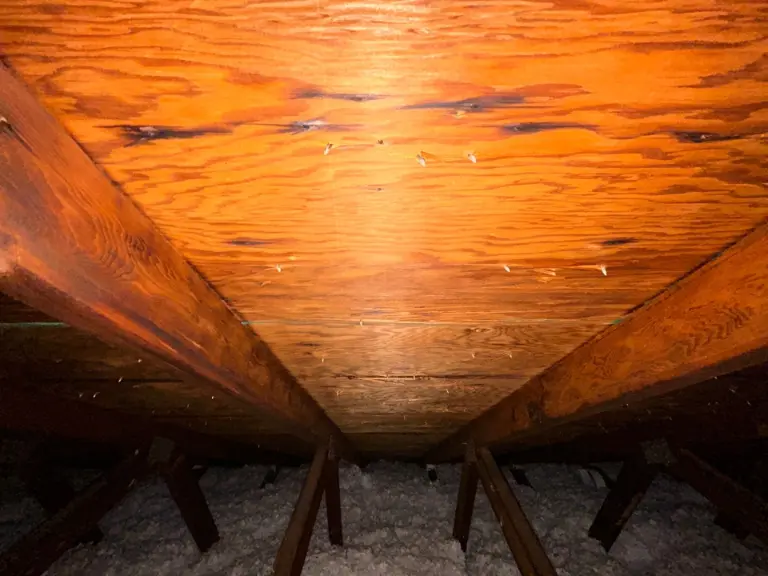
Stains, soft spots or sagging in the wood under the shingles mean water has been getting in for a while.
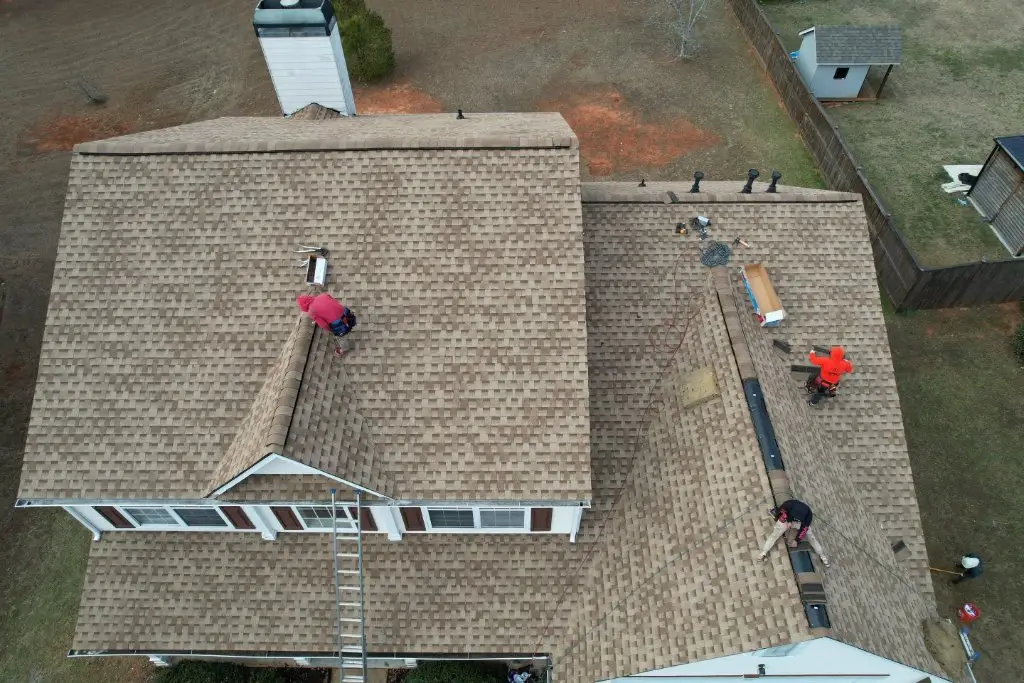
Age matters because an older roof has less life left to protect. Home inspectors use these typical lifespans for asphalt shingles under normal conditions:
The flat, single-layer shingles common on older homes.
The thicker, layered shingles on most roofs installed today.
Hot summers and severe storms can shorten those numbers, and Georgia gets plenty of both. If you don’t know how old your roof is, your home inspection report from when you bought the house may say. Source: InterNACHI estimated life expectancy chart.
If the damage came from a covered event like hail or wind, your insurance policy may pay for the repair or replacement, minus your deductible. That can change the math. A documented inspection is the first step.
Check how your policy handles an older roof. Some policies pay actual cash value on older roofs, which subtracts depreciation for age. Others use a roof payment schedule that pays a set, shrinking percentage as the roof gets older. Your declarations page or your agent can tell you which you have.
Our roof insurance claim guide walks through how it works.

A patch on a worn-out roof can be money spent twice if the roof needs replacing in a year or two anyway. On the other hand, there is no reason to replace a solid roof because of one bad spot. The right answer comes from looking at the whole roof, not just the problem area.
We inspect the entire roof, show you photos of what we find and tell you honestly whether a repair or a replacement makes more sense.

Sometimes. When damage is limited to one area, that section can often be repaired or replaced. Keep in mind that new shingles may not match older, weathered ones exactly.
Home inspectors use about 20 years for 3-tab shingles and about 30 years for architectural shingles under normal conditions. Heat and severe storms can shorten that.
If a covered event like hail or wind damaged your roof, your policy may pay for the repair or replacement, minus your deductible. Normal wear and age usually aren’t covered, and some policies pay less on older roofs. See our roof insurance claim guide.
Yes. We inspect the whole roof, show you photos and tell you what we recommend. Call 404-474-4222 or schedule a free roof assessment.
Written by
J. Eller
Emergency Roofing Solutions · Published October 13, 2026 · Updated November 5, 2026
Emergency Roofing Solutions serves homeowners across Metro Atlanta and North Georgia. Prefer to talk? Call 404-474-4222. A live person answers 24/7.