Emergency Roofing Solutions

How Your Roof Keeps Your Home Safe, and the Warning Signs to Watch For

Your roof does more than finish off the look of your house. It keeps out rain, wind and storm debris, protects the wood framing and the air inside your home, and helps control heat in the attic. Here is what your roof protects you from, how small roof problems turn into bigger safety problems, and the warning signs Georgia homeowners should watch for.

By J. Eller · Updated November 5, 2026 · 5 min read

The short answer

Your roof is your home’s first line of defense against the weather. When it is in good shape, it keeps water out of the attic, walls and ceilings. When it fails, the damage usually starts small, with a leak that soaks insulation and stains a ceiling. Left alone, that moisture can rot the roof decking and framing and lead to mold. Catching problems early, with an inspection once a year and after big storms, keeps a small repair from turning into a big one.

What your roof protects you from

Rain and water

Shingles, underlayment and flashing work together to shed water off the roof and away from the wood, insulation and drywall underneath.

Wind

A well-fastened roof holds together in strong wind. Once shingles lift or tear off, rain can get in fast.

Hail and falling limbs

The roof takes the hit from hail and branches so the structure underneath does not.

Heat and moisture in the attic

Together with attic ventilation, the roof helps move hot, damp air out of the attic, which protects the decking and helps your shingles last.

How a small roof problem becomes a safety problem

Roof problems rarely stay small. Water that gets past the shingles keeps doing damage every time it rains.

Water gets in

A missing shingle, cracked pipe boot or loose flashing lets water past the roof surface.

Wood and insulation get wet

Water soaks the roof decking and attic insulation, often long before you see a stain inside.

Damage spreads

Wet wood can rot and soften, ceilings can stain or sag, and mold can start to grow on materials that stay damp.

Safety risks show up

A sagging ceiling can fall, and water dripping near light fixtures or outlets is dangerous. If you see that, keep away from the area and turn off power to it at the breaker if you can do so safely.

The EPA’s advice on mold is simple: fix leaks and other water problems as soon as possible and dry wet materials completely.

Schedule a free roof inspection

Warning signs your roof needs attention

You can spot many of these from the ground or from inside the house:

  • Missing, cracked or curling shingles
  • A lot of granules (they look like coarse sand) in the gutters or at the bottom of downspouts
  • Water stains or bubbling paint on ceilings or walls
  • Damp insulation, dark wood or a musty smell in the attic
  • Daylight showing through the roof boards in the attic
  • A roofline that sags or dips
  • Loose or rusted metal around chimneys, vents and skylights

Georgia weather is hard on roofs

Roofs in Metro Atlanta and North Georgia have to handle a lot: summer heat, heavy thunderstorms, hail, strong wind and falling trees.

Georgia’s main severe weather season is in the spring, and the Georgia Emergency Management and Homeland Security Agency notes a second peak in November and early December. The National Weather Service counts hail 1 inch across (about the size of a quarter) or larger as severe.

That is why we recommend a roof inspection once a year and after any major storm. See our guides on spotting hail damage and what to do if a tree falls on your roof.
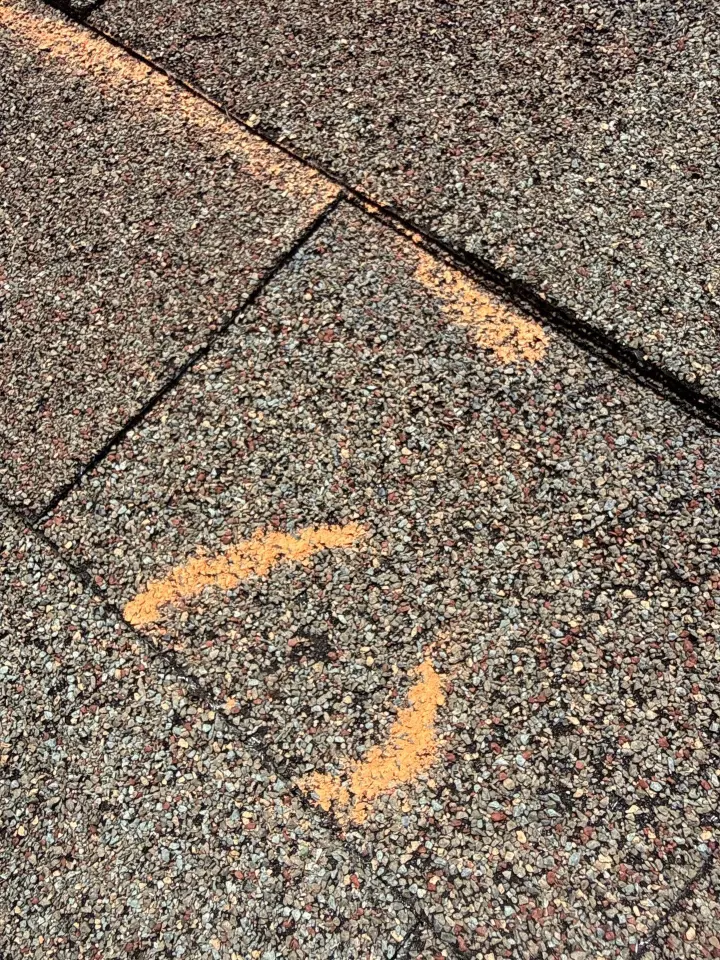
Hail hit marked on a shingle during a storm damage inspection in Peachtree City, GA

What we find on roofs like yours

Photos from our own inspections and emergency jobs.
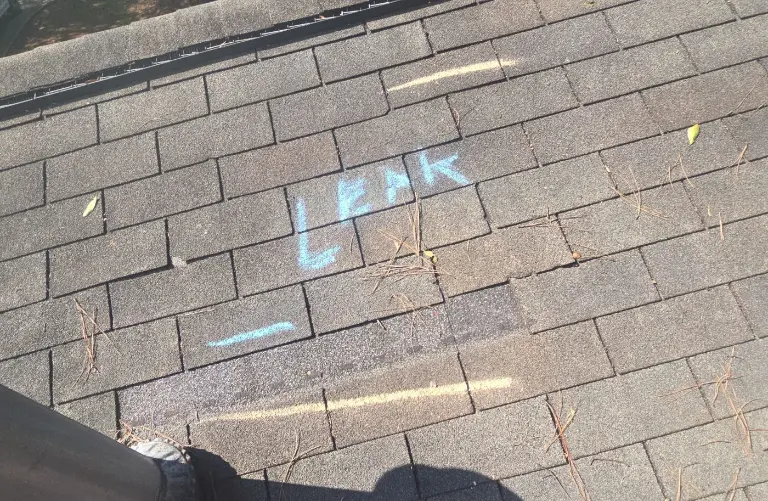
Leak spot marked in chalk on the shingles of a McDonough, GA roof during our inspection

A marked leak spot

We mark leak spots in chalk so you can see exactly where water is getting in.
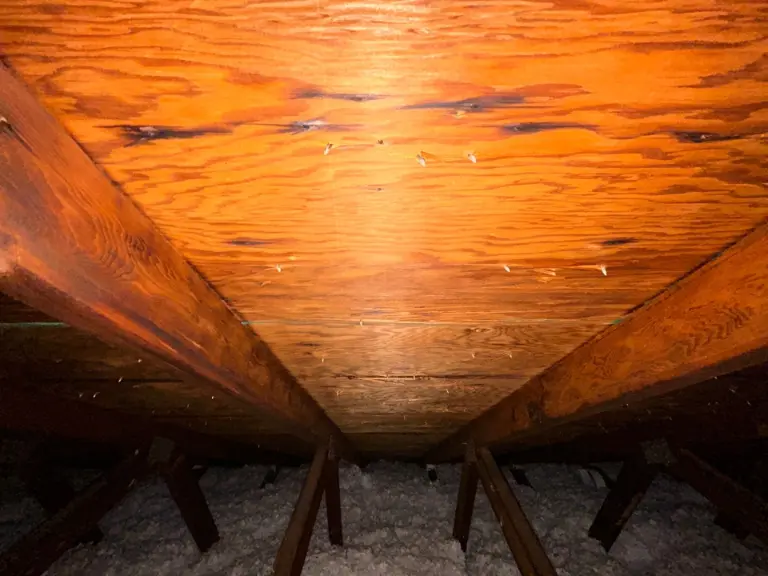
Attic roof decking inspection for leaks in Dunwoody, GA

Inside the attic

The attic often shows a leak before the ceiling does, with stained wood or damp insulation.
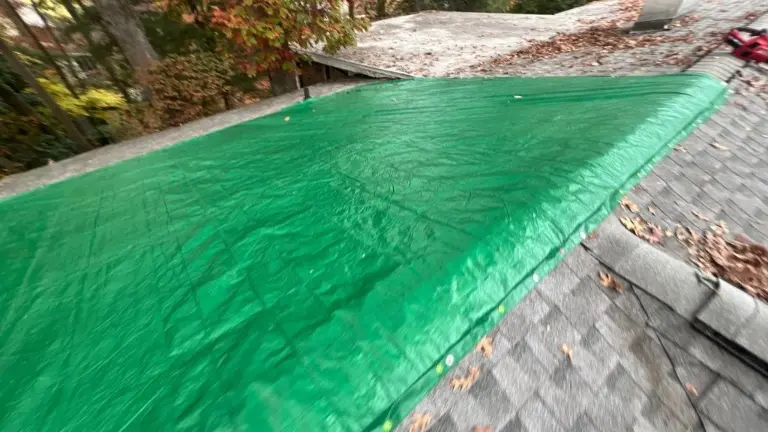
A green emergency tarp covering tree damage on a shingle roof on Winview Court in Tucker, GA

Tree damage tarped

A tarp keeps water out after a tree hits the roof, until the permanent repair can be made.

Hail hit marked on a shingle during a storm damage inspection in Peachtree City, GA

Storm damage checked

After a storm, we check every slope and mark damage so it is easy to document.

Please do not climb on your roof

Walking a roof is dangerous, especially when it is wet, steep or damaged. Look from the ground and from inside your attic, and leave the up-close inspection to a professional with the right safety gear.

  • Take photos of anything you can see from the ground and any stains inside.
  • If water is coming in, move belongings, catch drips in a bucket and call us. We can tarp the roof to stop more water from getting in.
  • Get a professional inspection so you know whether you need a repair or a replacement. Our guide on repair vs. replacement explains the difference.
  • If storm damage is found, see our insurance claim help page before you file.

Roof safety FAQs

Warning signs include a sagging roofline or ceiling, active leaks, soft spots, large areas of missing shingles and water near light fixtures. If you see any of these, stay out of the area and call a roofer right away.

We recommend once a year and after any major storm with hail, high wind or falling limbs. Older roofs benefit from a closer eye.

Yes. Mold can grow on wood, insulation and drywall that stay wet. The EPA advises fixing leaks as soon as possible and drying wet materials completely.

Stay safe, take photos from the ground, catch any leaks and call for an inspection. If water is getting in, ask about emergency tarping to prevent more damage while the repair is planned.

Written by

J. Eller

Emergency Roofing Solutions · Published April 12, 2025 · Updated November 5, 2026

Schedule Your Free Roof Inspection

Emergency Roofing Solutions serves homeowners across Metro Atlanta and North Georgia. Prefer to talk? Call 404-474-4222. A live person answers 24/7.


Call Now